Thinking
It's All About Recalibration When Your On 20's
Most people treat their 20s like a race. The people who thrive treat it like an experiment.

After optimism comes friction.
The second stage of adulthood arrives quietly — when effort stops producing predictable results. Plans slow down, obstacles appear, and progress feels uneven.
This is where ambition meets reality.
Early goals often assume linear progress:
Study → Work → Stability → Success.
Real life introduces variables:
Competitive markets
Financial pressure
Changing industries
Emotional fatigue
Resistance feels personal, but it’s structural. Systems are complex, and learning how they work takes time.
Not every setback is a mistake. Many are signals.
Rejections reveal skill gaps.
Stress exposes unsustainable habits.
Disappointment clarifies priorities.
Instead of asking “Why is this happening to me?” a better question emerges:
“What is this teaching me?”
This mindset turns friction into feedback.
One of the hardest realizations is that motivation alone isn’t enough.
Discipline replaces excitement. Systems replace inspiration.
Examples include:
Budgeting instead of hoping income improves
Consistency instead of bursts of productivity
Long-term planning over short-term validation
Growth becomes quieter — and more sustainable.
Adaptation doesn’t mean lowering ambition. It means adjusting strategy.
People begin to:
Choose environments that match strengths
Focus on skill stacking
Accept slower but steadier progress
Reality hasn’t changed. Perspective has.
Friction isn’t proof you’re on the wrong path. It’s proof you’ve entered the real game.
And once adaptation begins, a new challenge appears: building a system that actually works for you.
Thinking
Most people treat their 20s like a race. The people who thrive treat it like an experiment.
Thinking
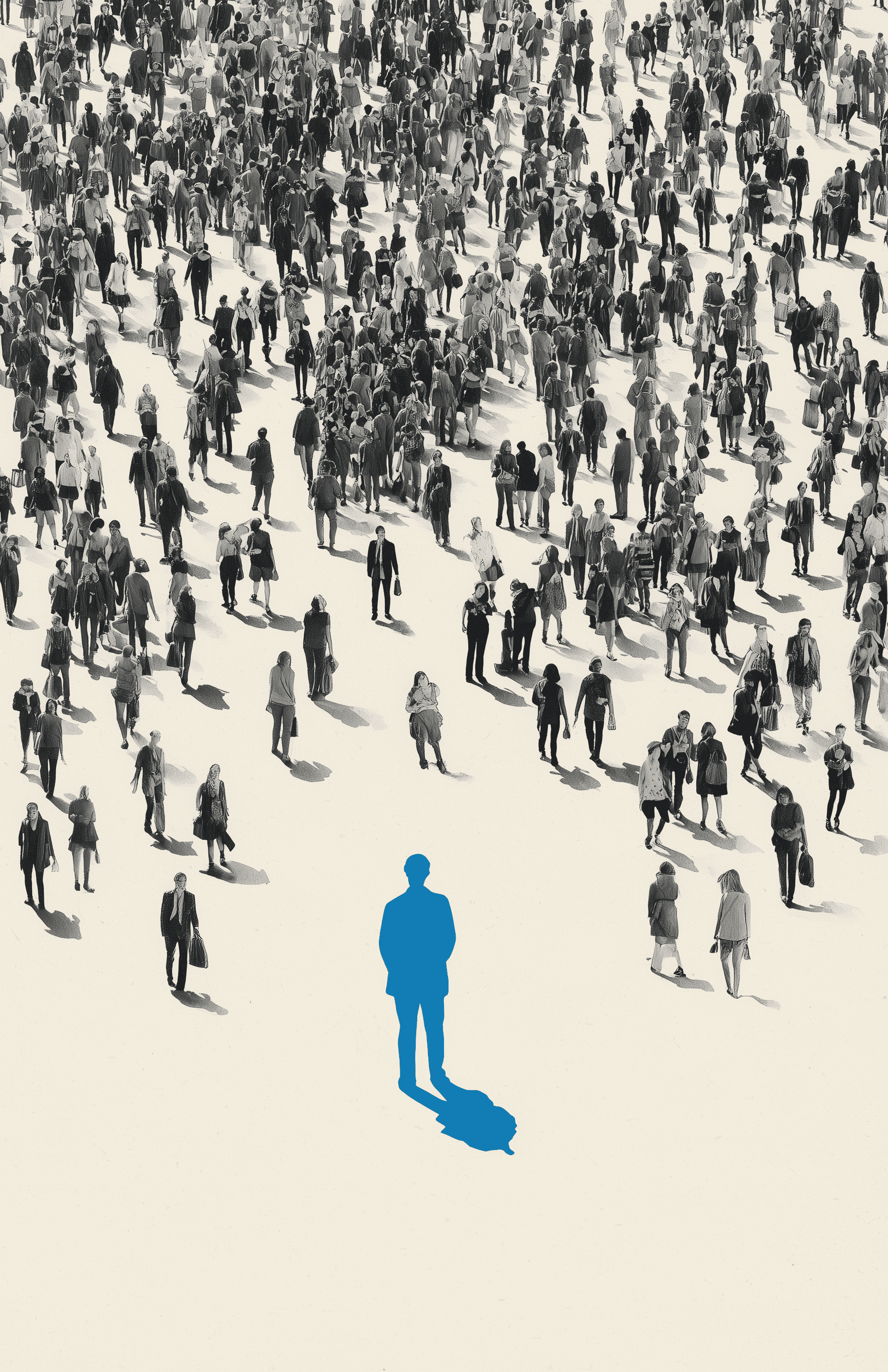
Your habits are no longer shaped only by choice. They’re shaped by systems competing for your attention every second.
Insights
Growth isn’t determined by intelligence or opportunity alone. It’s determined by how people respond to discomfort.