Thinking
It's All About Recalibration When Your On 20's
Most people treat their 20s like a race. The people who thrive treat it like an experiment.
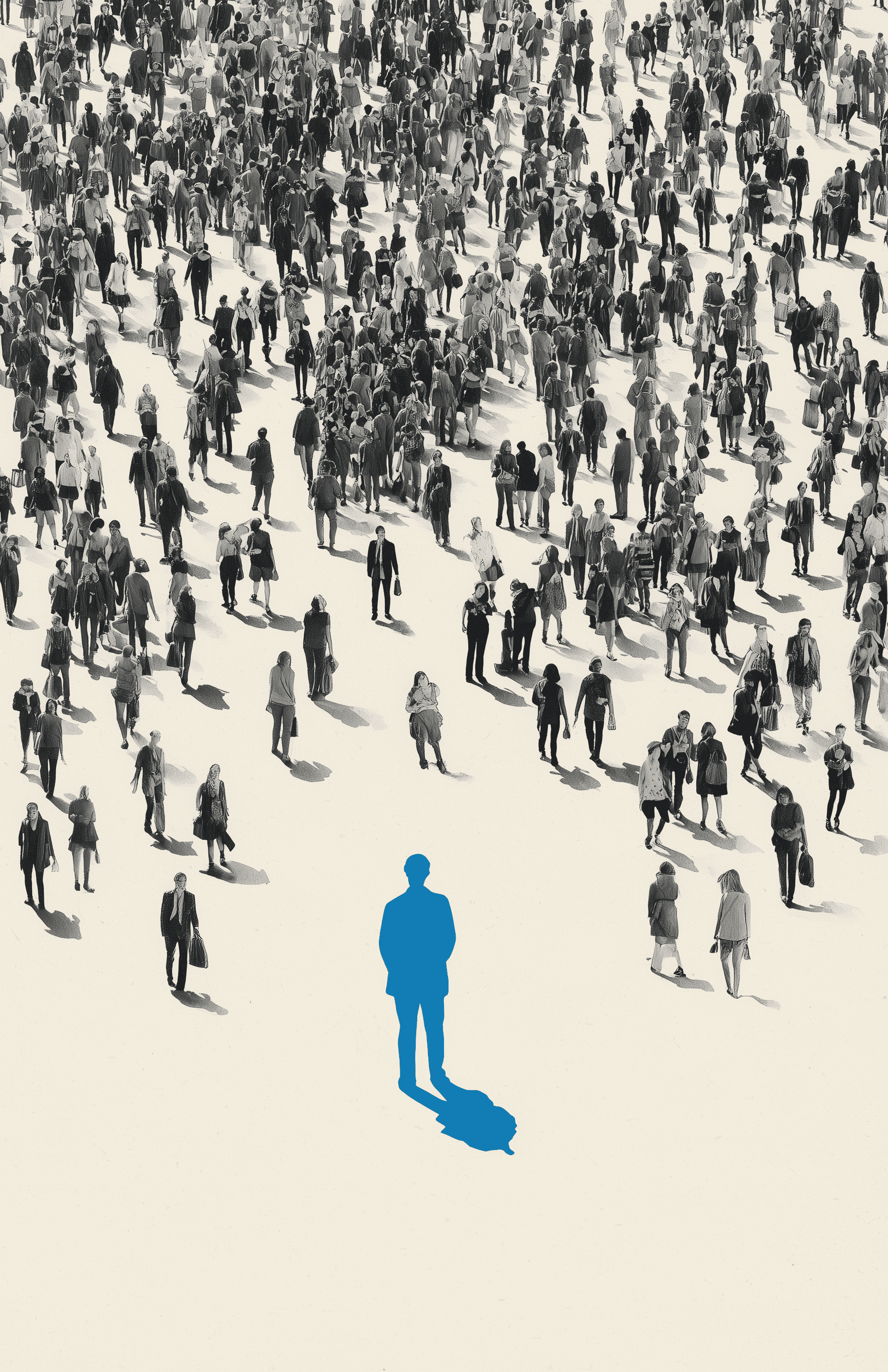
Growth isn’t determined by intelligence or opportunity alone. It’s determined by how people respond to discomfort.
Growth rarely feels exciting while it’s happening.
It usually feels uncomfortable, uncertain, and inconvenient.
Yet discomfort contains information.
The difference between people who evolve and those who stagnate often comes down to one ability:
Psychological adaptability.
Humans naturally interpret comfort as correctness.
But comfort usually signals familiarity, not progress.
New environments feel awkward because your brain lacks predictive certainty. That discomfort is evidence of expansion, not danger.
Learning to reinterpret discomfort changes growth entirely.
When discomfort appears, many people unconsciously avoid it:
postponing difficult conversations,
delaying learning,
staying in predictable routines.
Avoidance provides short-term relief but reinforces long-term stagnation.
Growth requires tolerating temporary instability.
Confidence grows through repeated exposure to uncertainty.
Each time you navigate unfamiliar situations, your brain updates its understanding of risk.
Situations that once felt intimidating become neutral.
Capacity expands gradually.
Experience alone doesn’t guarantee growth.
Reflection transforms events into learning.
Asking simple questions accelerates development:
What worked?
What didn’t?
What did this teach me about myself?
Reflection converts mistakes into assets.
Over time, adaptable individuals stop fearing change.
They begin expecting evolution.
Life becomes less about protecting stability and more about exploring possibility.
Growth stops feeling like disruption.
It becomes normal.
The quiet skill isn’t talent.
It’s willingness to remain open while uncertain.
And that skill compounds for life.
Thinking
Most people treat their 20s like a race. The people who thrive treat it like an experiment.
Thinking
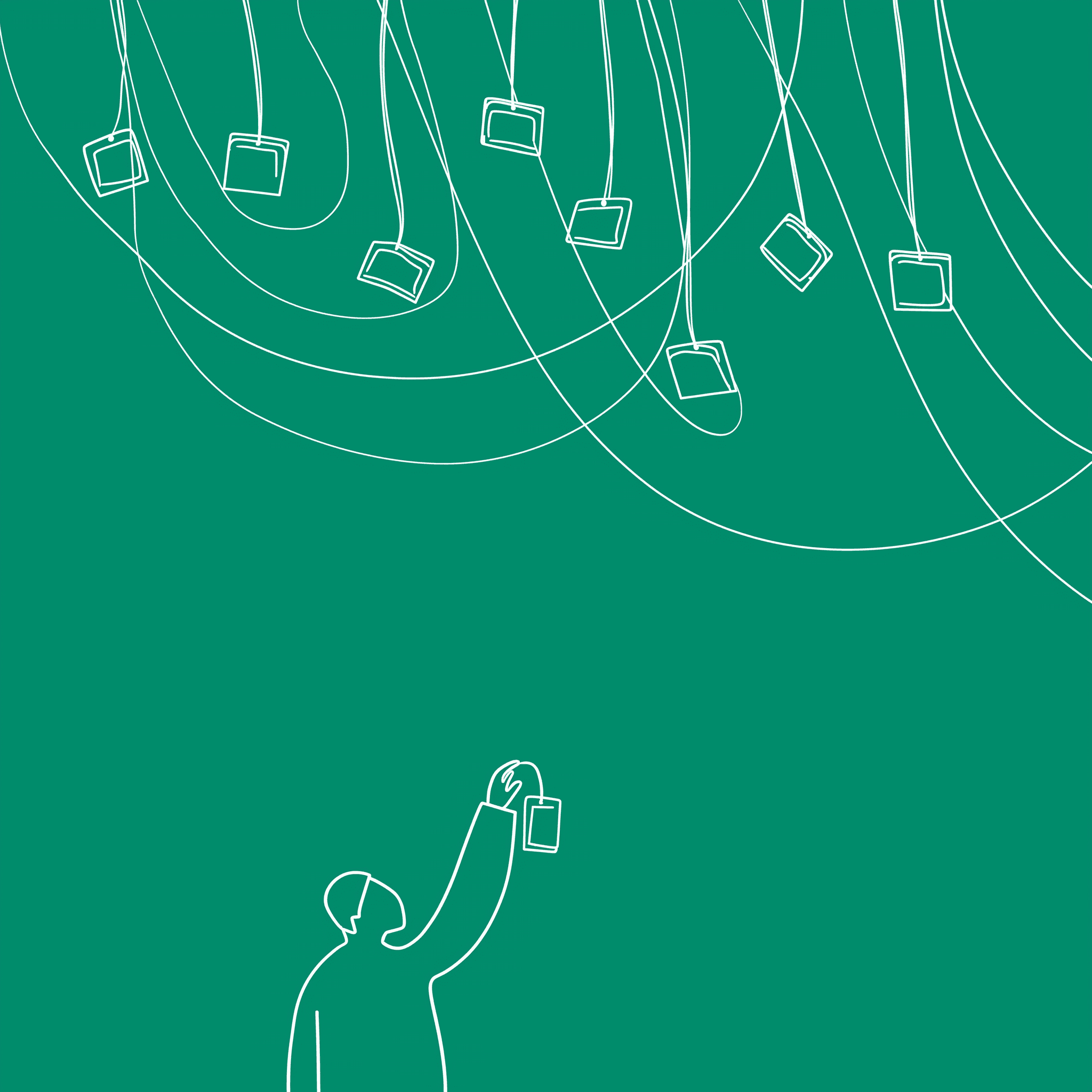
Your habits are no longer shaped only by choice. They’re shaped by systems competing for your attention every second.
Thinking
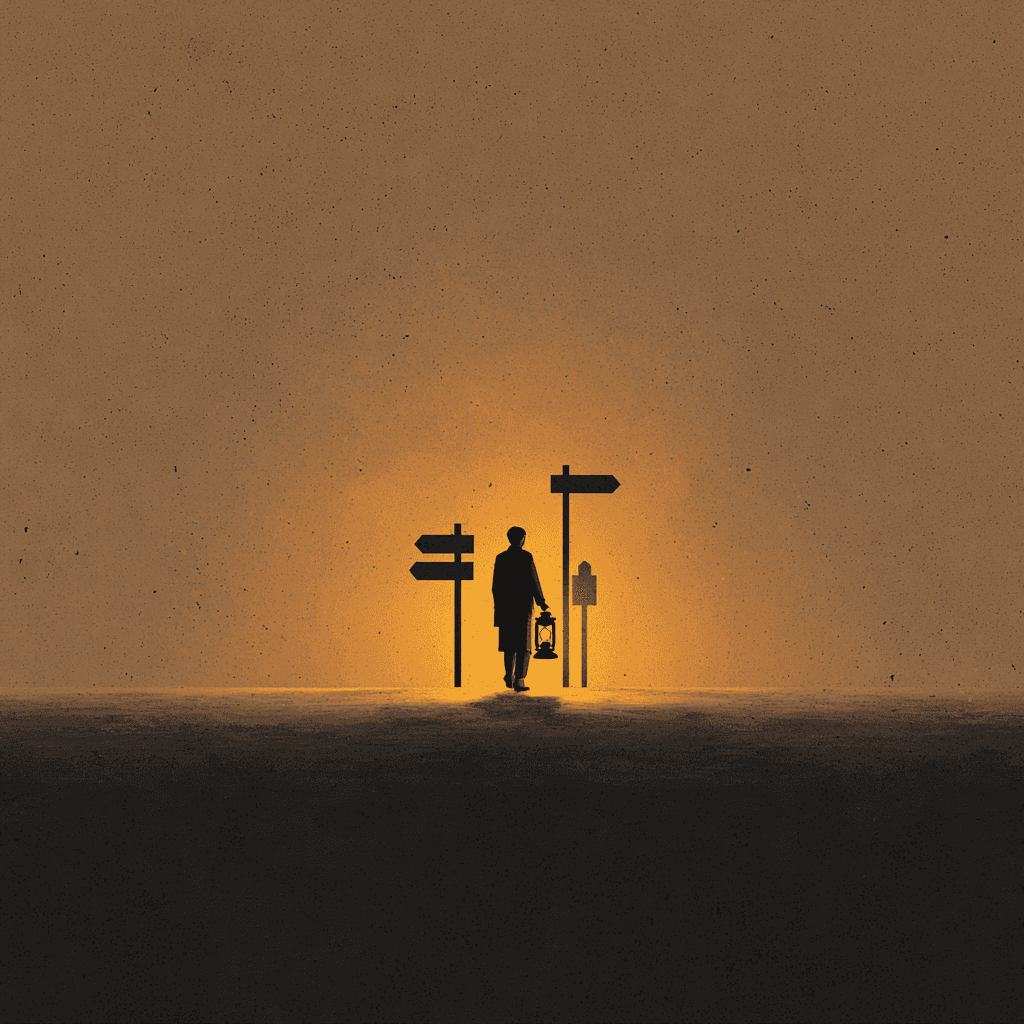
Rigid life plans fail in unpredictable worlds. Direction systems allow progress without needing certainty.