Thinking
The Attention Economy Is Designing Your Life — Unless You Design It First
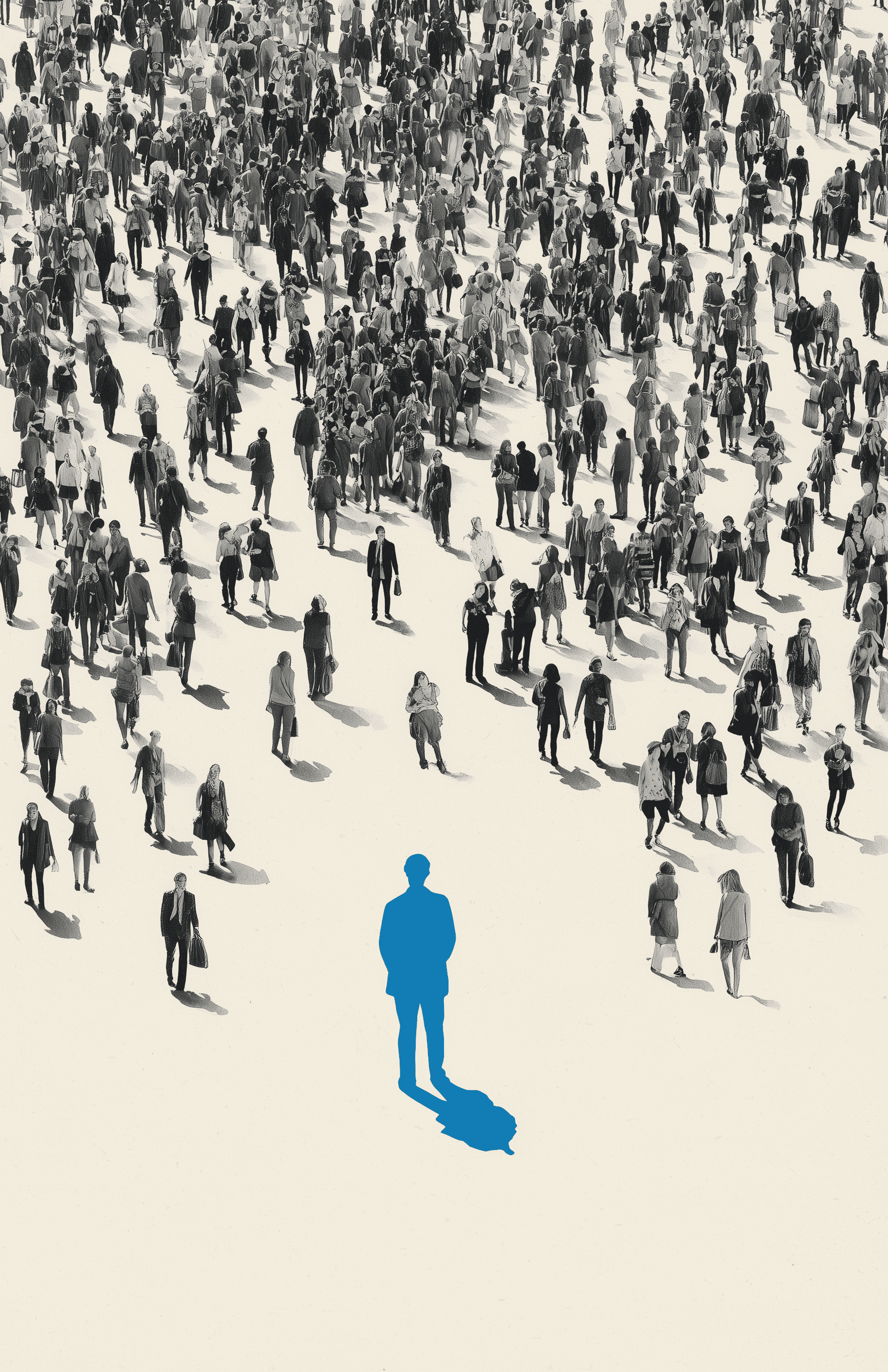
Your habits are no longer shaped only by choice. They’re shaped by systems competing for your attention every second.
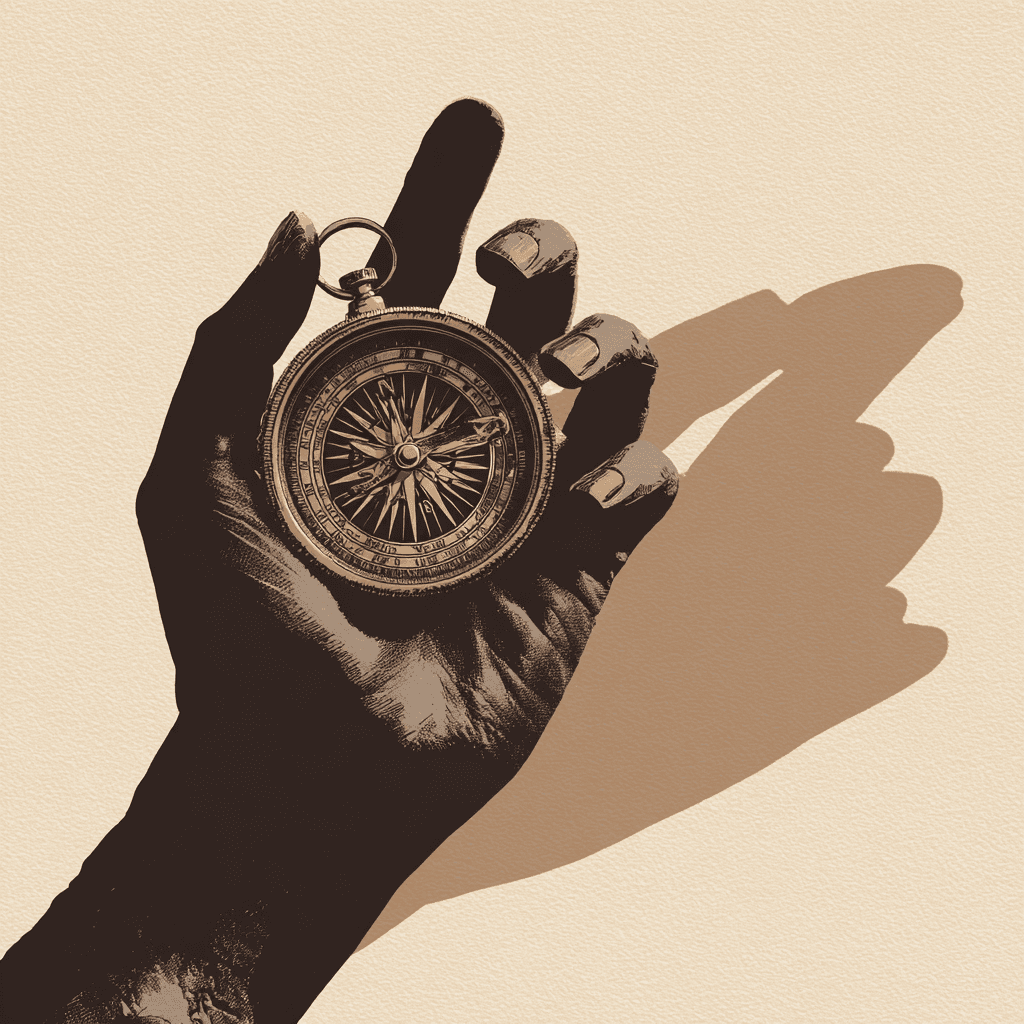
Most people treat their 20s like a race. The people who thrive treat it like an experiment.
There is an invisible pressure attached to your 20s.
You’re expected to figure out career direction, financial stability, relationships, identity, and purpose — almost simultaneously. Social media accelerates this pressure by presenting curated timelines where everyone appears ahead.
But history shows something different.
Your 20s are not designed for certainty.
They are designed for calibration.
Many people attempt optimization too early. They search for the “perfect path” before understanding themselves.
Calibration begins with exposure.
Exposure means trying environments, roles, and challenges that reveal:
what energizes you,
what drains you,
what skills grow naturally,
what values actually matter in practice.
Early confusion is not failure — it is data collection.
Every experience refines internal direction.
The goal is not choosing correctly immediately. The goal is learning faster than uncertainty grows.
A common misconception is believing identity must be discovered internally before action.
In reality, identity forms externally.
You learn who you are by doing things repeatedly:
working with different people,
solving unfamiliar problems,
navigating discomfort.
Confidence rarely precedes experience. It follows accumulated evidence.
Action clarifies identity faster than reflection alone.
Major life outcomes rarely come from single decisions.
They emerge from repeated small choices:
showing up consistently,
maintaining curiosity,
investing in relationships,
improving communication skills.
These decisions appear insignificant daily but compound massively over years.
Calibration works because small corrections prevent large misalignment later.
Many discussions about success focus on skills.
Few discuss emotional regulation.
The ability to remain stable during uncertainty becomes one of the strongest long-term advantages. Careers evolve unpredictably. Markets change. Relationships shift.
People who adapt emotionally continue moving while others freeze.
Emotional resilience is not natural talent — it is practiced perspective.
Progress in your 20s often looks invisible:
clearer thinking,
improved judgment,
stronger boundaries,
deeper self-awareness.
These internal upgrades later translate into external results.
Calibration feels slow while it’s happening.
But it prevents decades spent moving in the wrong direction.
Your 20s are not a performance stage.
They are a training ground.
Thinking
Your habits are no longer shaped only by choice. They’re shaped by systems competing for your attention every second.
Insights
Growth isn’t determined by intelligence or opportunity alone. It’s determined by how people respond to discomfort.
Thinking
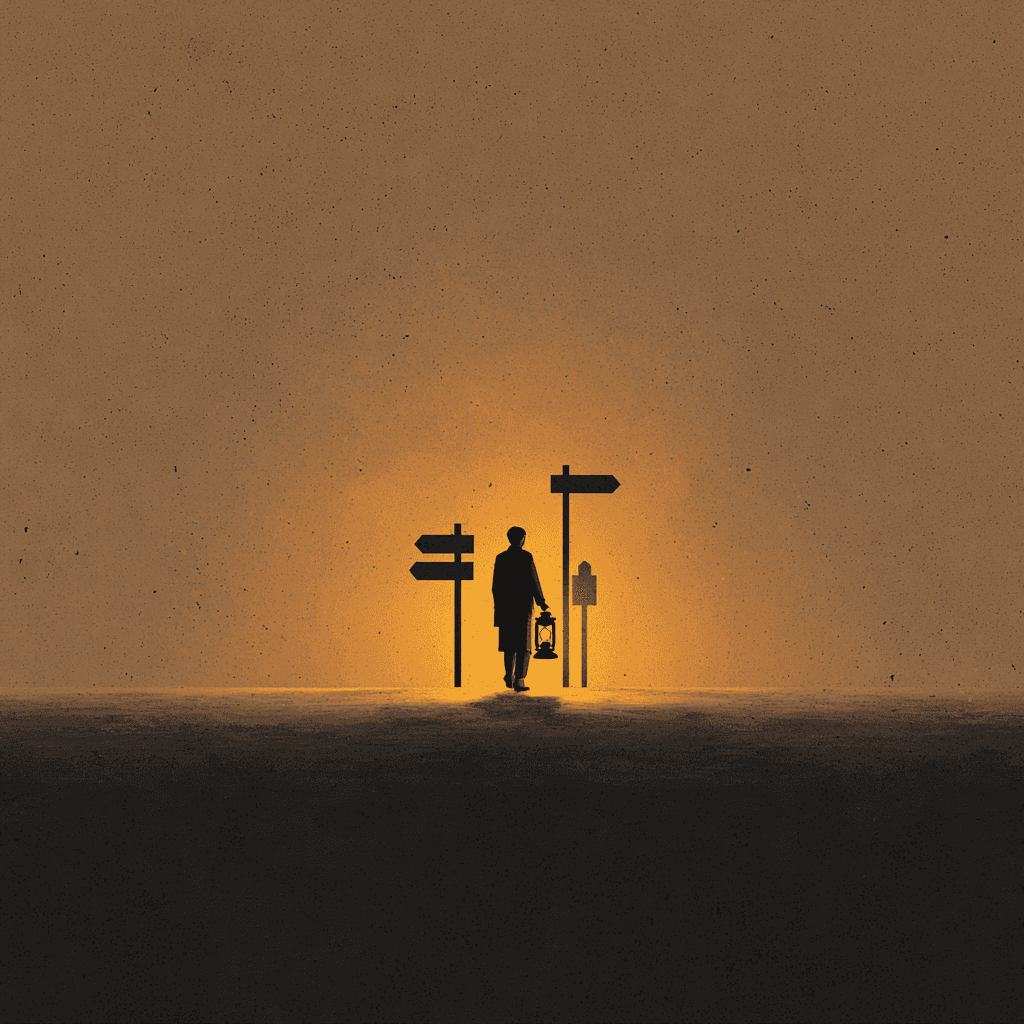
Rigid life plans fail in unpredictable worlds. Direction systems allow progress without needing certainty.