Thinking
It's All About Recalibration When Your On 20's
Most people treat their 20s like a race. The people who thrive treat it like an experiment.
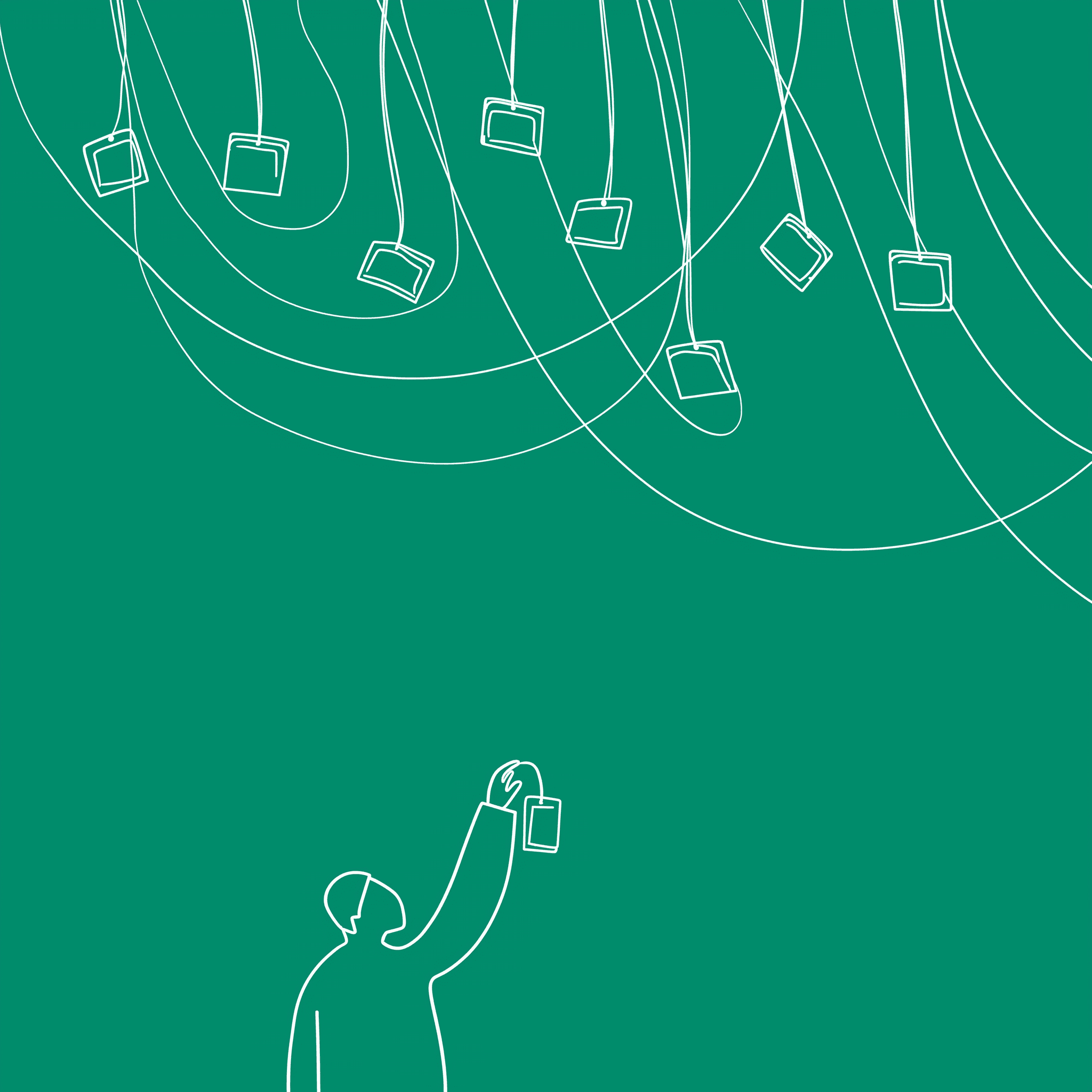
Your habits are no longer shaped only by choice. They’re shaped by systems competing for your attention every second.
Modern life operates inside an invisible marketplace.
Your attention is the product.
Every platform competes to capture and retain it because attention converts directly into revenue. Algorithms optimize for engagement, not wellbeing.
Understanding this changes how you view daily behavior.
What you repeatedly consume influences:
beliefs,
ambitions,
emotional states,
perceived norms.
Attention determines thought patterns.
If your inputs are reactive, your thinking becomes reactive.
If your inputs are intentional, your thinking becomes directional.
Your future often reflects what consistently occupies your attention today.
Without conscious design, digital environments create default routines:
wake → check phone → react → consume → repeat.
These patterns feel natural because they require no decision-making.
But defaults quietly shape years of behavior.
Designing your life begins by redesigning defaults.
Instead of relying on discipline alone, create environments that guide behavior.
Examples:
curated information sources,
limited notification exposure,
scheduled consumption windows,
intentional learning feeds.
Architecture reduces reliance on willpower.
The goal is not restriction — it’s alignment.
Focus has become rare, making it extremely valuable.
People capable of sustained attention produce higher-quality thinking and creativity because depth enables insight.
Protecting uninterrupted time becomes an investment, not a sacrifice.
You cannot escape the attention economy.
But you can decide how consciously you participate in it.
Every small boundary restores agency.
Design precedes freedom.
The life you experience daily is largely shaped by where your attention goes.
Choose carefully.
Thinking
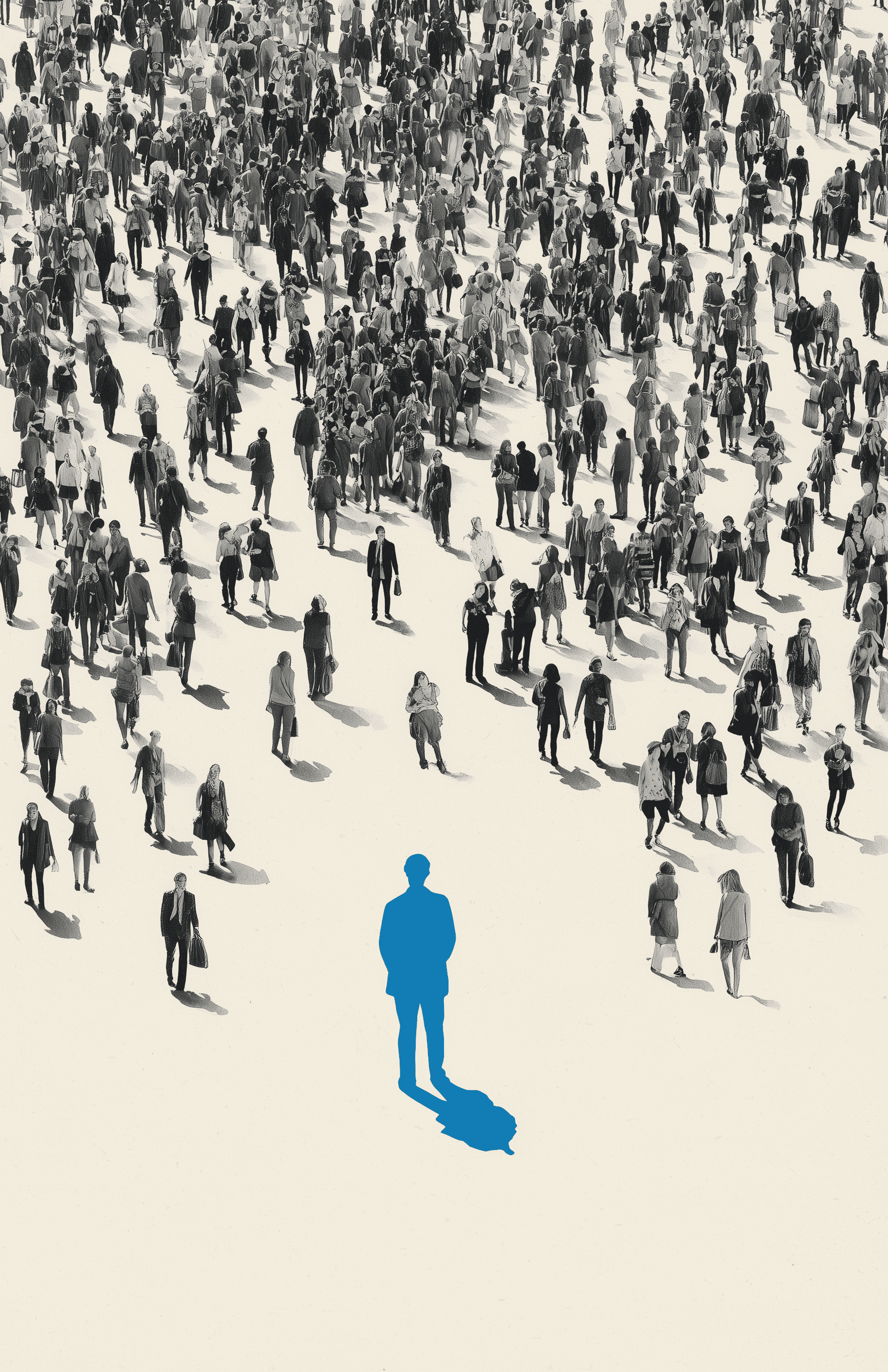
Most people treat their 20s like a race. The people who thrive treat it like an experiment.
Insights
Growth isn’t determined by intelligence or opportunity alone. It’s determined by how people respond to discomfort.
Thinking
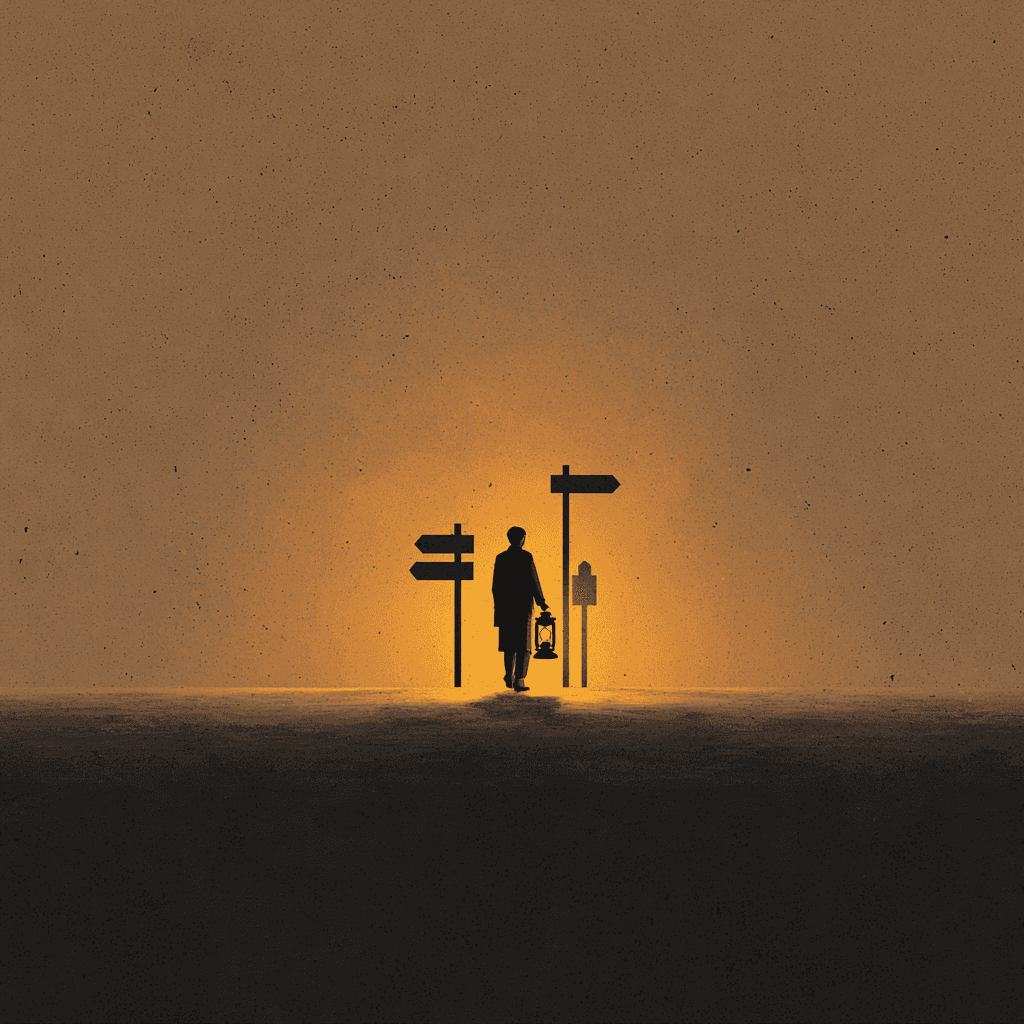
Rigid life plans fail in unpredictable worlds. Direction systems allow progress without needing certainty.