Wellness
Your Brain Wasn’t Built for Infinite Scrolling
We often blame ourselves for losing focus, but modern technology is engineered to capture attention. Understanding how it works is the first step toward reclaiming control.

Many people mistake exhaustion for laziness. The real issue might be cognitive overload caused by modern lifestyles.
There’s a specific kind of tiredness that sleep doesn’t fix.
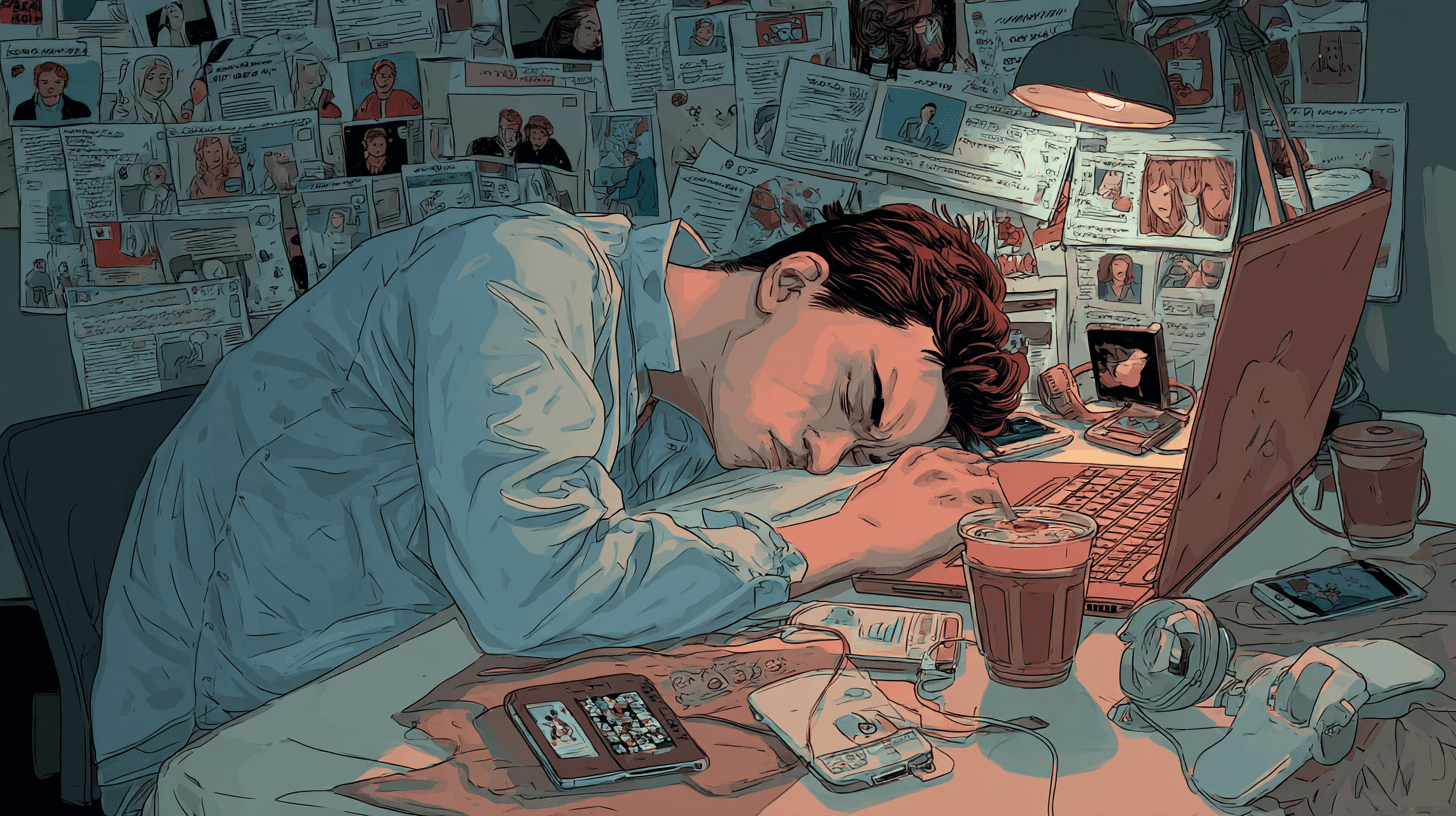
You wake up after eight hours, open your laptop, and still feel resistance toward starting even simple tasks. Motivation feels distant. Focus slips easily. Everything requires more effort than it should.
The immediate conclusion most people reach is simple: I must be lazy.
But laziness is rarely the real explanation.
Modern life requires constant decision-making. What to reply, what to watch, what to buy, what to learn, what to prioritize — hundreds of micro-decisions accumulate daily.
Each decision consumes mental energy.
Unlike physical fatigue, cognitive fatigue isn’t obvious. You don’t notice it building until your brain begins rejecting effort altogether.
Procrastination often isn’t avoidance of work; it’s avoidance of additional decisions.
Previous generations experienced natural mental pauses. Waiting in lines, commuting quietly, or moments of boredom allowed the brain to reset.
Today, every idle moment becomes filled with content.
Scrolling during breaks prevents recovery. Instead of resting, your brain continues processing new stimuli continuously.
Over time, mental bandwidth shrinks.
Tasks that once felt manageable suddenly feel overwhelming.
True rest involves reduced input, not different input.
Watching short-form content may feel relaxing, but cognitively it keeps the brain engaged. Real recovery includes activities that lower stimulation:
walking without headphones,
journaling,
stretching,
quiet environments.
These moments restore attention capacity rather than draining it.
Start small. Reduce inputs before increasing productivity expectations.
Limit morning information consumption. Create short periods of intentional silence daily. Protect at least one hour without algorithm-driven media.
Energy returns gradually.
You’re not failing at discipline.
You’re recovering from overload.