
Socials
Why Adult Friendships Feel Harder — And How to Keep Them Alive
Maintaining friendships becomes harder with age, not because people care less, but because life structure changes.
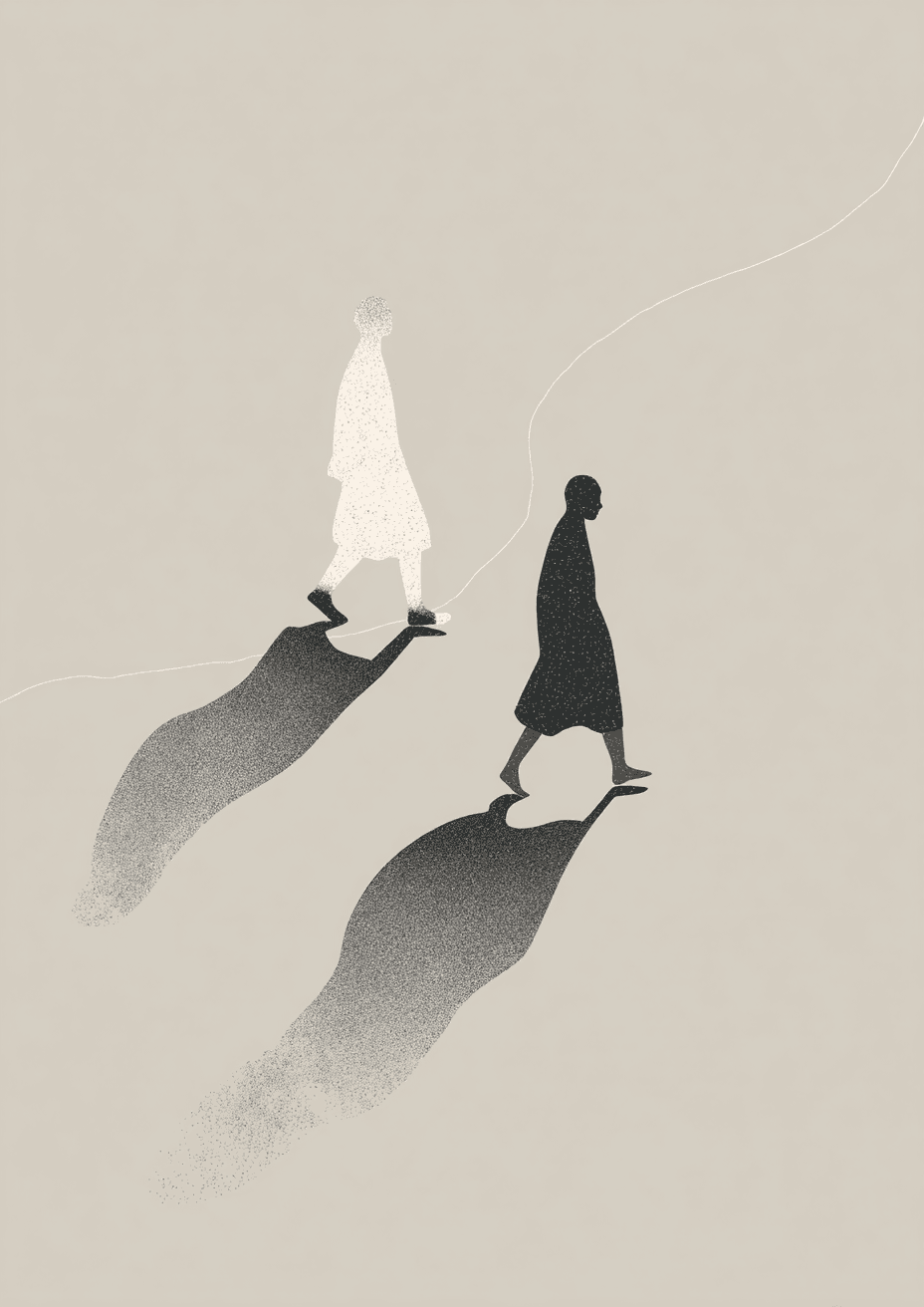
In a hyper-connected world, comparison feels unavoidable. Understanding why everyone feels behind reveals a surprising truth about progress.
Almost everyone experiences it at some point.
You scroll through social media and suddenly your life feels smaller. Someone your age bought a house, started a company, or appears endlessly productive and fulfilled.
Logically, you know social media isn’t reality. Emotionally, the comparison still lands.
This tension defines modern social experience.
Digital platforms reward visibility, not accuracy.
People naturally share achievements more than uncertainty. Success becomes public; struggle remains private.
Over time, feeds fill with milestones stripped of context — promotions without stress, travel without exhaustion, happiness without confusion.
When exposed repeatedly to curated success, the brain interprets it as normal baseline reality.
Your everyday life begins to feel insufficient by comparison.
Real growth rarely looks impressive while it’s happening.
Learning a skill involves repetition. Building confidence involves failure. Emotional maturity develops through uncomfortable experiences that rarely translate into shareable content.
From the outside, progress looks sudden. From the inside, it feels slow and messy.
This mismatch creates the illusion that others are advancing faster, when in reality everyone is navigating unseen challenges simultaneously.
Humans evolved to compare socially because cooperation once depended on understanding group dynamics.
Online environments amplify this instinct beyond healthy levels. Instead of comparing with dozens of people, we now compare with thousands.
The brain cannot contextualize that scale properly.
As a result, comparison stops being informational and becomes emotional.
You begin measuring your internal struggles against external appearances — an unfair equation from the start.
A healthier approach is measuring personal trajectory rather than relative position.
Ask different questions:
Do I understand myself better than last year?
Have my habits improved?
Do I recover from setbacks faster?
These indicators reflect genuine development rather than performative success.
Progress becomes clearer when measured internally.
Feeling behind doesn’t mean you are failing. Often, it means you are becoming aware of your potential.
Awareness creates discomfort because it highlights the gap between current reality and future possibility.
That discomfort can either fuel comparison or inspire intentional growth.
The difference lies in perspective.
Everyone moves through life at different speeds because everyone starts from different circumstances, values different goals, and faces different challenges.
There is no universal timeline — only individual direction.
The goal isn’t to catch up.
It’s to keep moving forward in a way that feels meaningful to you.
And most of the time, you’re progressing more than you realize.