Cutting-Edge
Why Digital Skills Are Becoming Basic Survival Skills
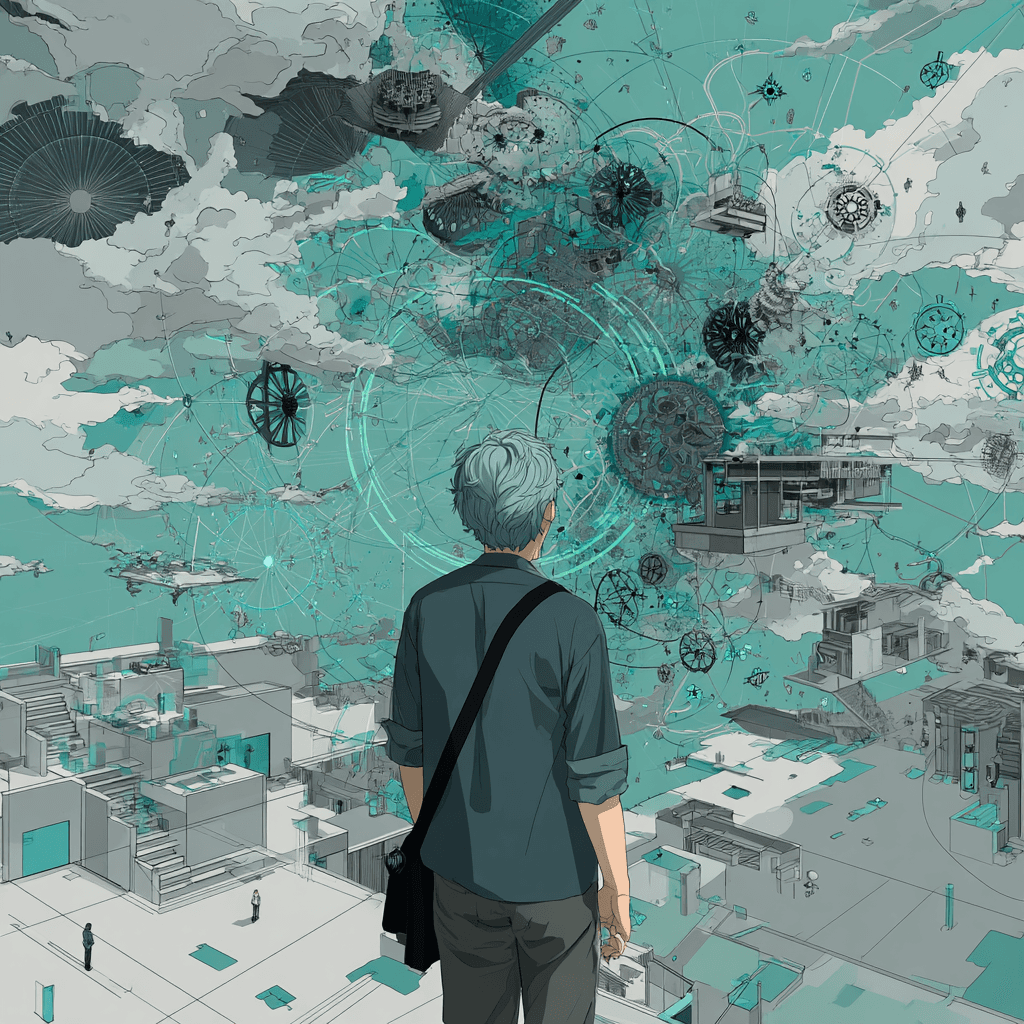
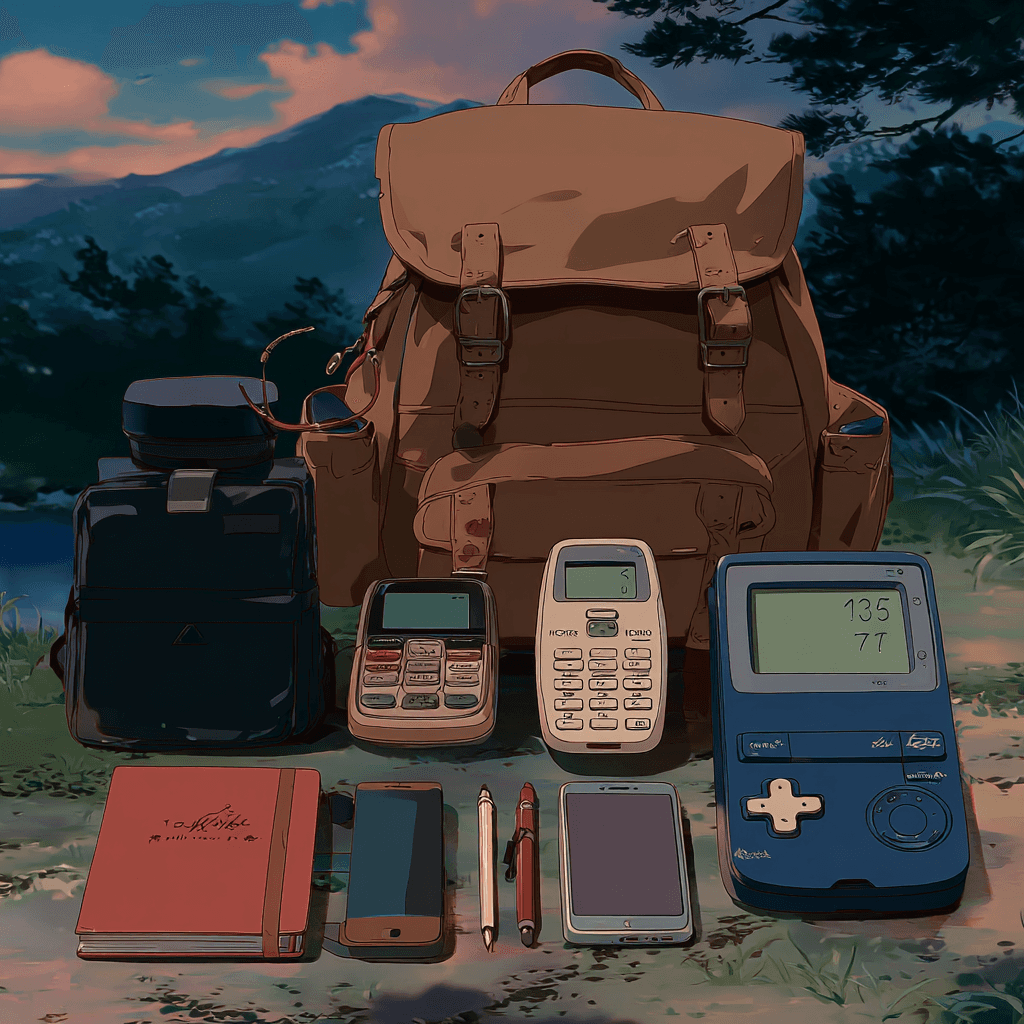
Technology literacy is no longer optional. Understanding digital tools increasingly determines opportunity access.
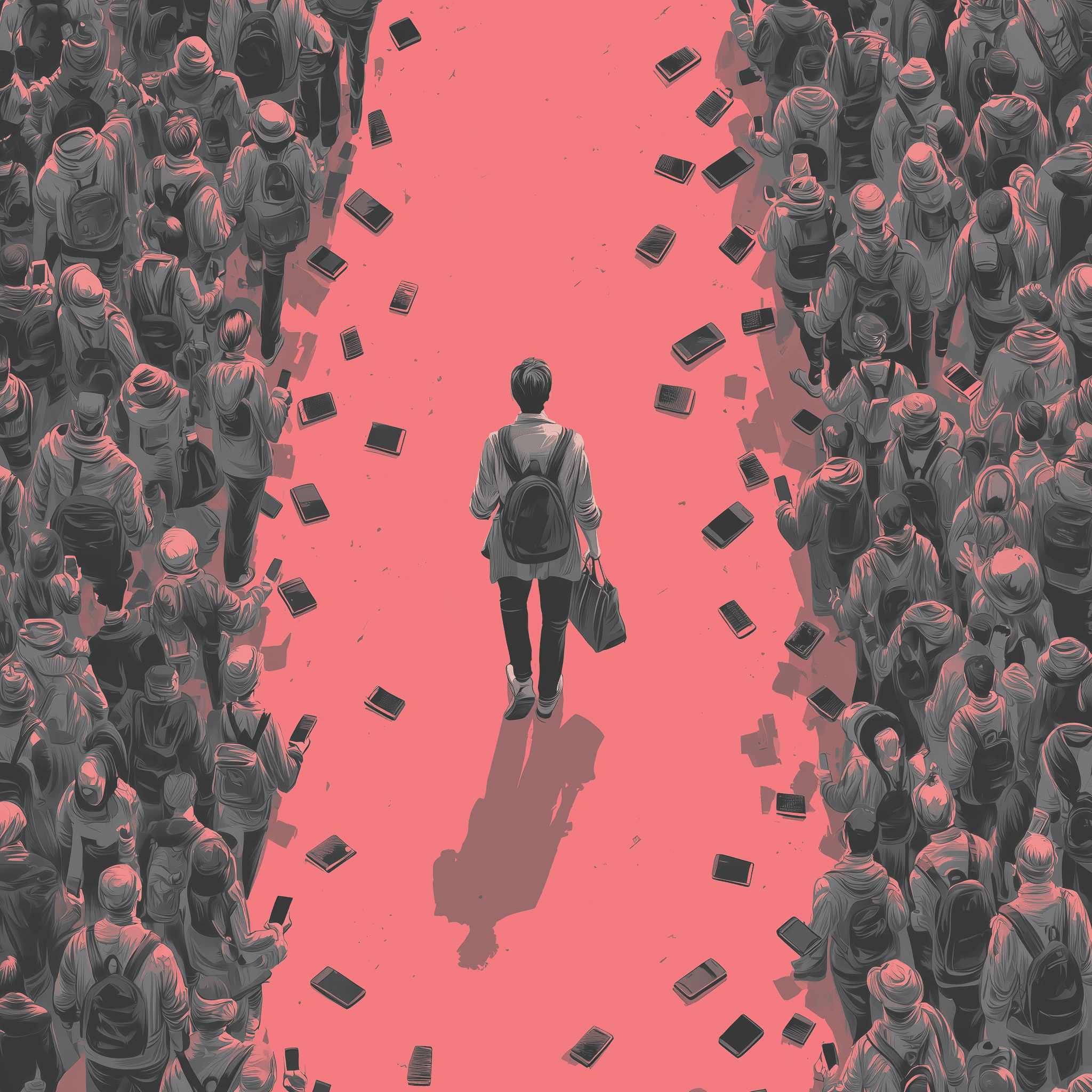
In previous decades, productivity differences between workers were relatively small. Experience and education mattered, but tools were mostly equal.
Every technological shift creates the same fear: replacement.
When artificial intelligence entered mainstream conversation, headlines immediately focused on jobs disappearing, industries collapsing, and humans becoming obsolete. While automation is real, the deeper transformation happening right now is more subtle — and far more important.
AI is not simply replacing workers. It is amplifying capability.
And amplification changes competition entirely.
In previous decades, productivity differences between workers were relatively small. Experience and education mattered, but tools were mostly equal.
Today, tools are not equal anymore.
Someone who understands how to collaborate with AI can:
research faster,
generate ideas instantly,
prototype solutions in hours instead of weeks,
learn new skills dramatically quicker.
This creates a widening gap between two groups:
People waiting to understand AI.
People learning by using it daily.
The difference compounds quickly.
The biggest misconception is treating AI like a replacement worker instead of a thinking assistant.
Used correctly, AI becomes a cognitive extension — a system that accelerates brainstorming, organizes complexity, and reduces repetitive mental load.
Writers outline faster. Designers iterate concepts rapidly. Developers debug efficiently. Entrepreneurs validate ideas earlier.
The value shifts from producing raw output to directing intelligent systems effectively.
In other words, knowing what to ask becomes as important as knowing how to do.
Historically, deep specialization guaranteed career stability. Today, adaptability increasingly matters more than static expertise.
AI evolves monthly. Tools change constantly. The advantage belongs to people comfortable learning in public and experimenting without mastery.
You don’t need to become an AI engineer. You need familiarity.
Small daily usage builds intuition:
summarizing complex topics,
generating drafts,
exploring unfamiliar fields,
accelerating research.
Over time, this familiarity transforms uncertainty into leverage.
Interestingly, the biggest obstacle isn’t technical — it’s emotional.
Many people delay engaging with new technology because they fear looking inexperienced. But early exploration always looks messy.
Every generation that benefited from technological revolutions started as beginners.
The internet rewarded early adopters. Smartphones rewarded early adapters. AI will follow the same pattern.
Waiting for clarity often means arriving late.
The most valuable skill emerging today is meta-learning — the ability to learn new systems quickly.
AI doesn’t eliminate human creativity; it raises the baseline. Execution becomes faster, meaning ideas, judgment, and originality matter more.
People who succeed won’t necessarily be the smartest or most experienced.
They’ll be the most adaptable.
The question is no longer whether AI will change work.
It already has.
The real question is whether you choose to evolve alongside it.
Cutting-Edge
Technology literacy is no longer optional. Understanding digital tools increasingly determines opportunity access.

Cutting-Edge
Viral trends dominated attention. Short-form content accelerated consumption. Platforms optimized for maximum reach, encouraging creators to chase visibility above all else.